Philosophy
Design
Design is not the finish. It is the foundation — the earliest decisions that determine whether a building becomes an enduring asset or an ordinary one.
Philosophy
Design is not the finish. It is the foundation — the earliest decisions that determine whether a building becomes an enduring asset or an ordinary one.
"We do not design buildings that follow the market. We design buildings that outlast it — because the right material, the right proportion, and the right detail age differently than ordinary construction."
Design Philosophy · MOVA Properties
Every building MOVA has designed and built — from a Langford duplex to a 75-suite rental community — has been shaped by a single constraint: build it the way you would if you were going to live in it for thirty years.
That constraint produces different outcomes than a developer who plans to sell. Materials are chosen for how they age. Layouts are designed for how people actually live. Amenities earn their cost rather than check a marketing box. And details — the ones visitors notice first — are never treated as optional.
This is not idealism. It is how we protect our investors, attract better residents, and build assets worth holding across a cycle.
The MOVA Signature
Six commitments, held on every project — from a 21-suite rental to a mountain estate.
Material Before Ornament
Quality shows first in materials — the heft of a door, the warmth of white oak, the character marble earns with age. We choose for how a surface performs in year twenty, not how it photographs on delivery day.
Proportion First
The costliest flaw in a building is a badly proportioned room. Ceiling heights, window placement, and suite mix are resolved in design — never resolved away in value engineering.
Deliberate Contrast
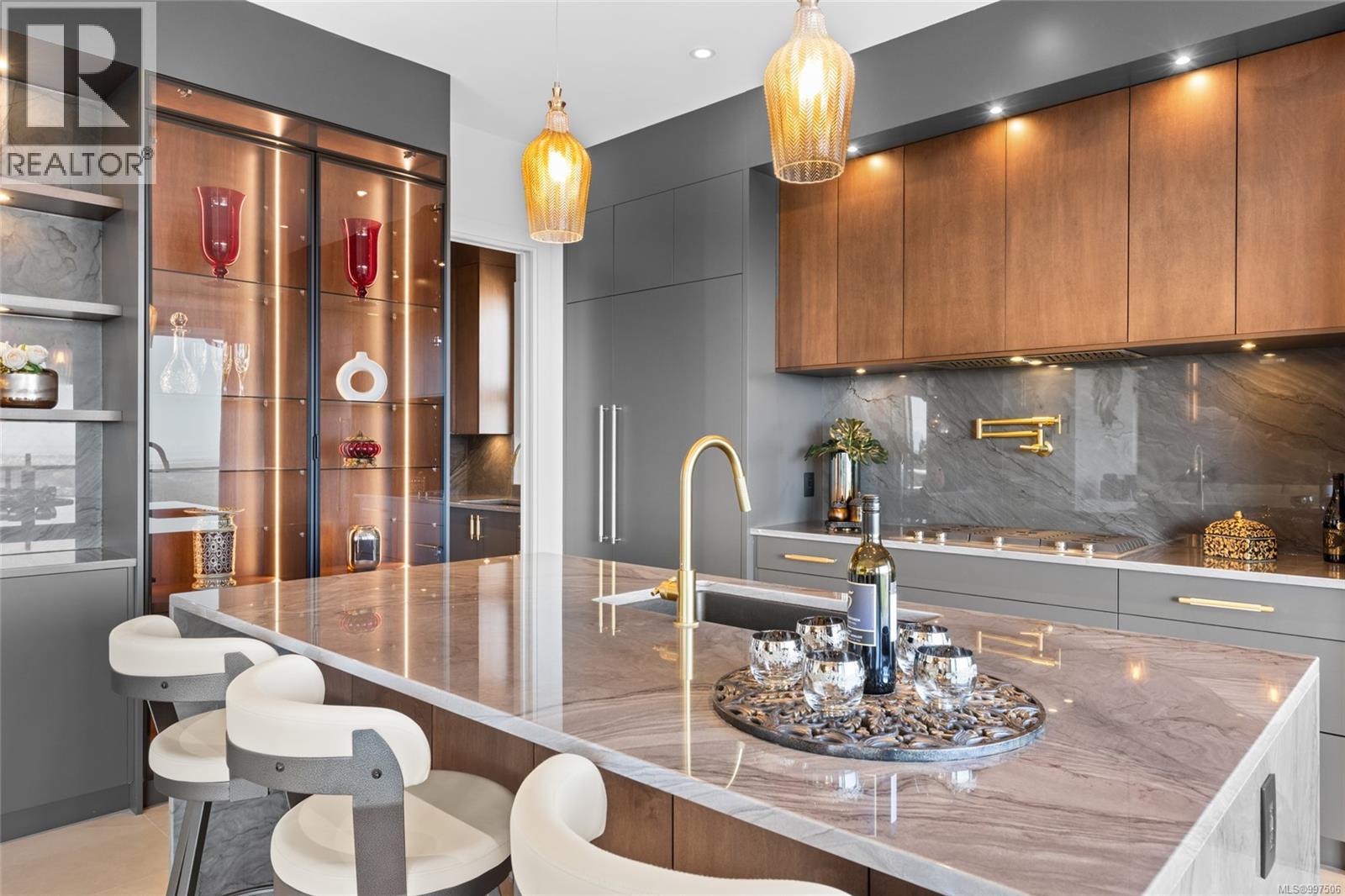
A matte black island against pale marble. Brass against book-matched stone. Contrast is what makes a room feel composed rather than assembled — it is the signature people remember.
Amenity That Earns Its Cost
A rooftop terrace that frames the mountains earns a premium; a gym no one uses does not. We programme amenities around what residents actually use, talk about, and stay for.
Buildings Belong to Their Sites
The Goldstream's cream and timber answer the forest at its back; Navigators Rise earns its mountain ridge. Our buildings step with the land instead of imposing on it.
Design Is Investor Discipline
Every design choice is a financial choice. A better kitchen that rents for $150 more a month pays for itself within two years — then keeps paying for decades. We quantify design against yield.
The MOVA Material Palette
A consistent set of materials runs through every MOVA project — from private residences to multifamily buildings. These are not trend selections. They are chosen for how they perform over decades.
White Oak
Millwork · Flooring · Feature Elements
Honed Marble
Counters · Backsplash · Bathroom Surround
Natural Stone
Flooring · Feature Walls · Exterior Base
Matte Black
Hardware · Fixtures · Island · Frames
Warm Cream
Building Cladding · Primary Facade
Forest Green
Accent Elements · Exterior Landscaping
Warm Timber
Vertical Fins · Balcony Screens · Ceiling
Aged Brass
Feature Hardware · Lighting · Plumbing
The Signature, In Detail
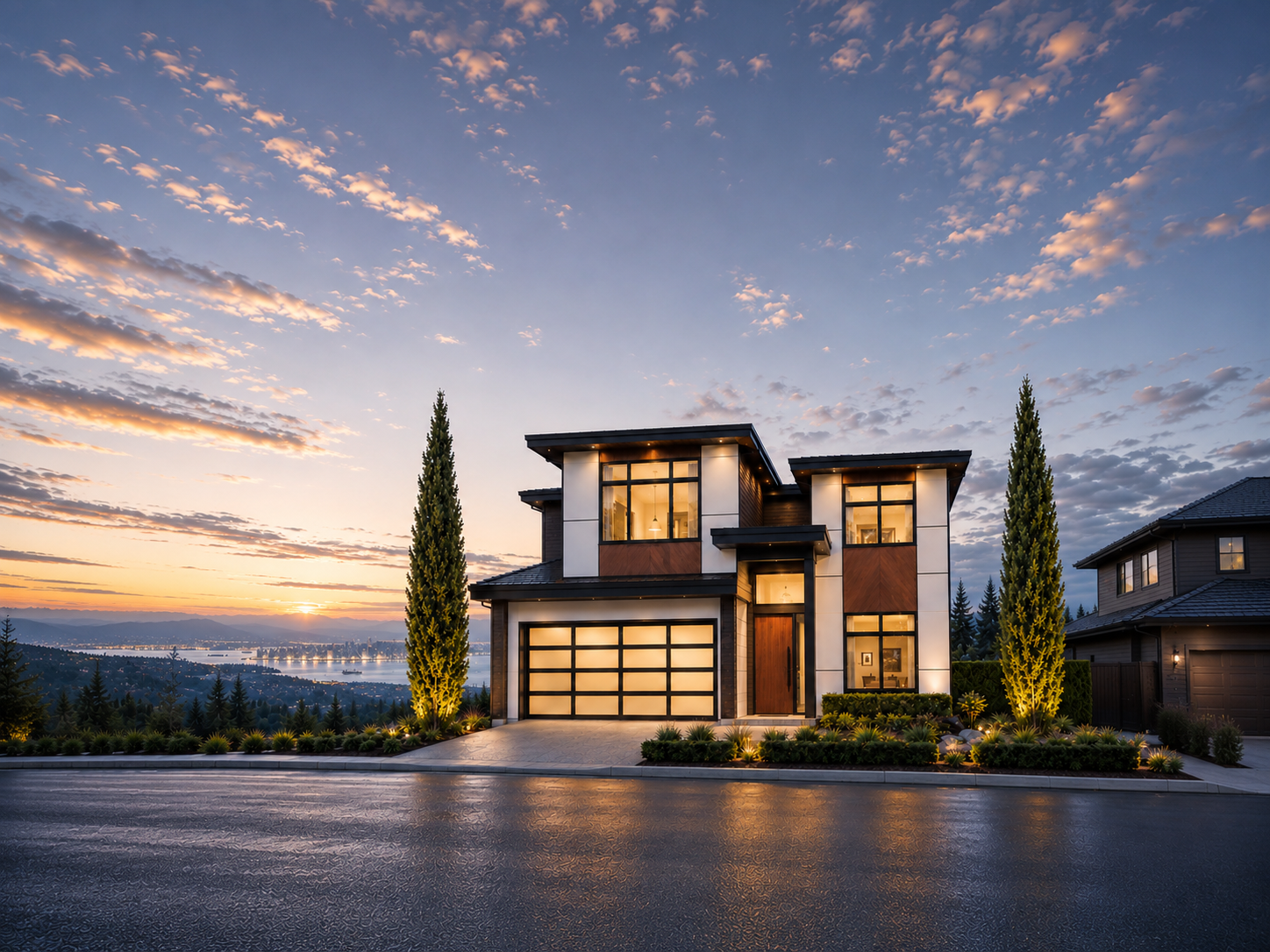
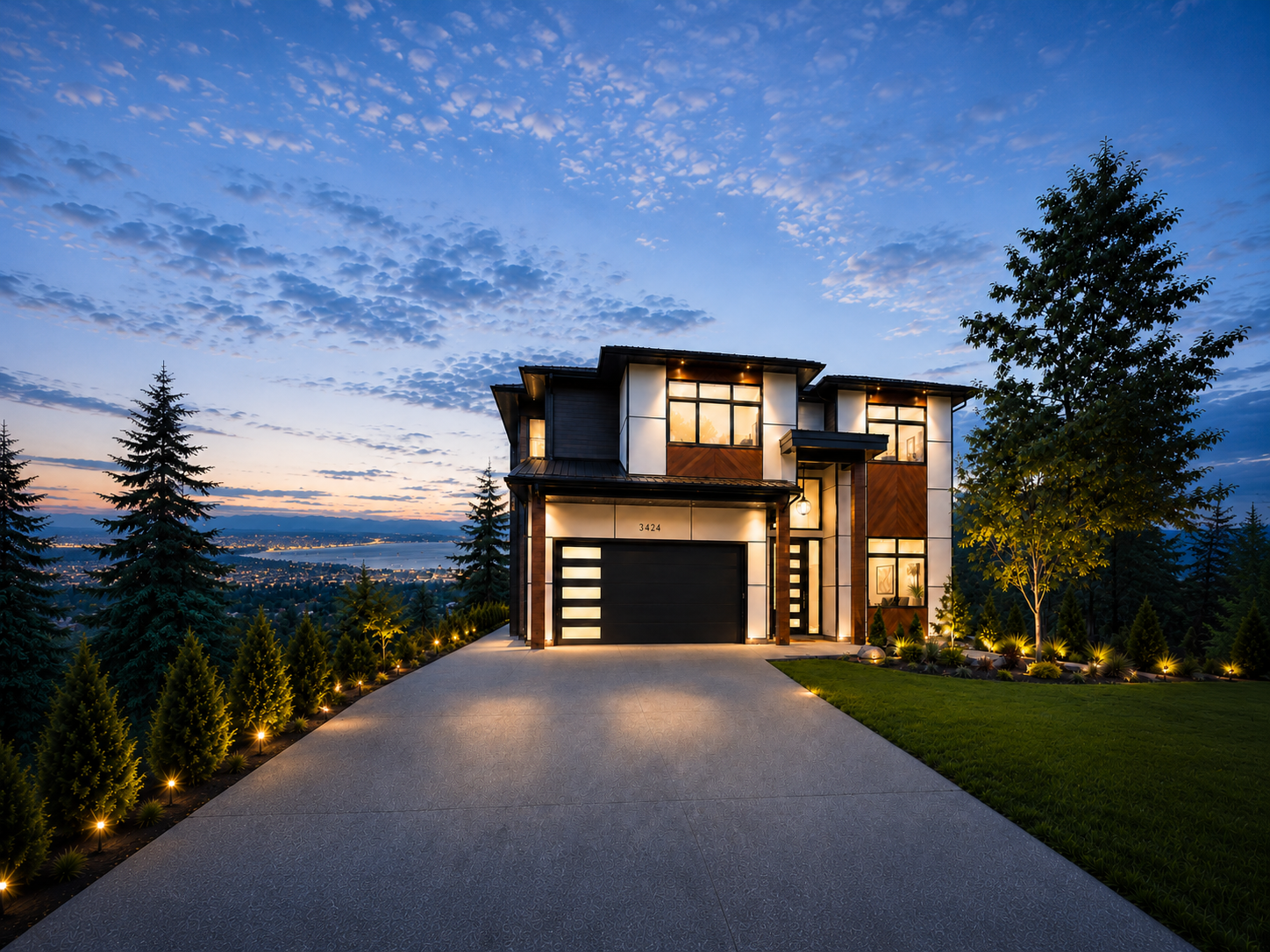
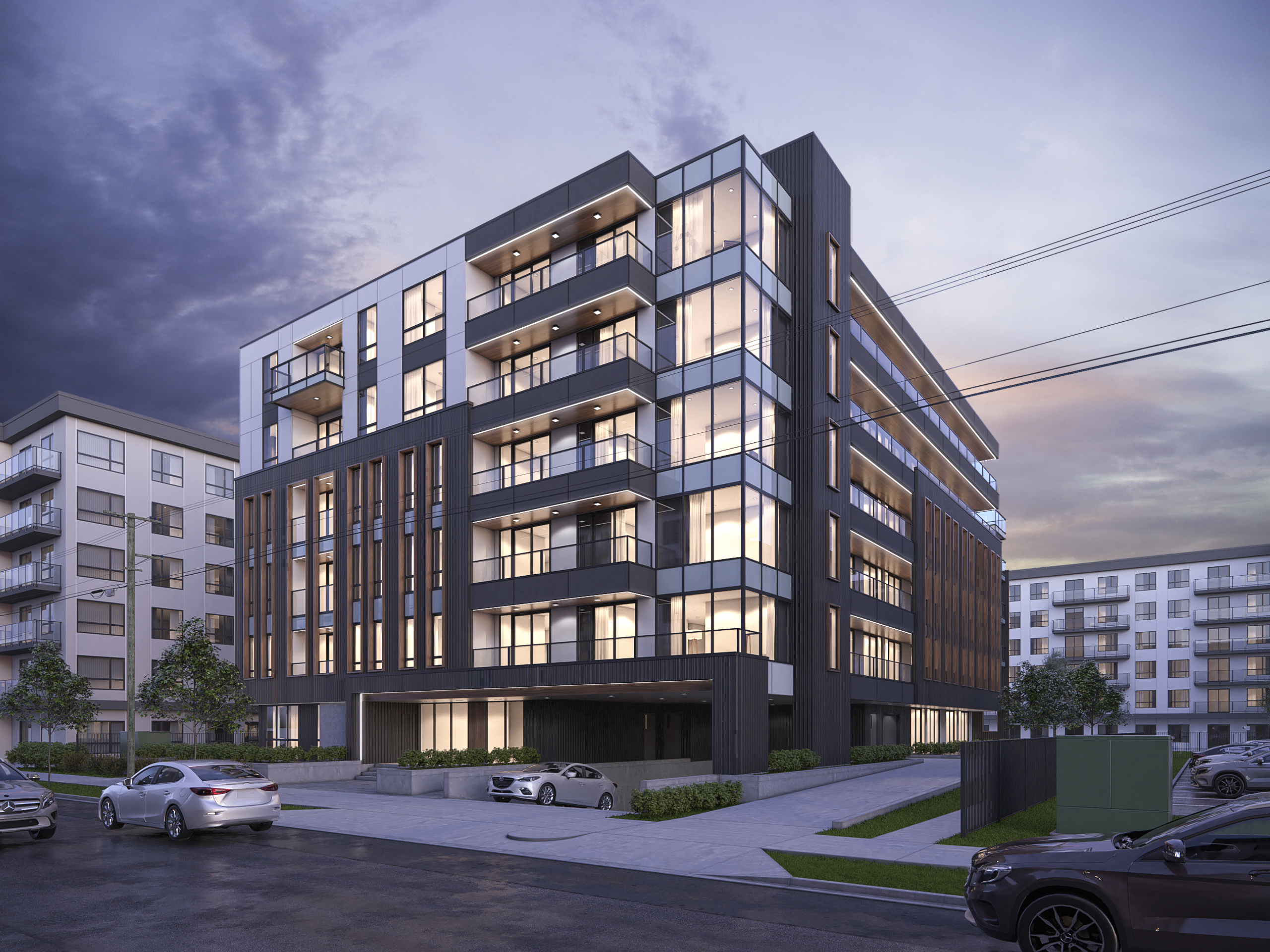
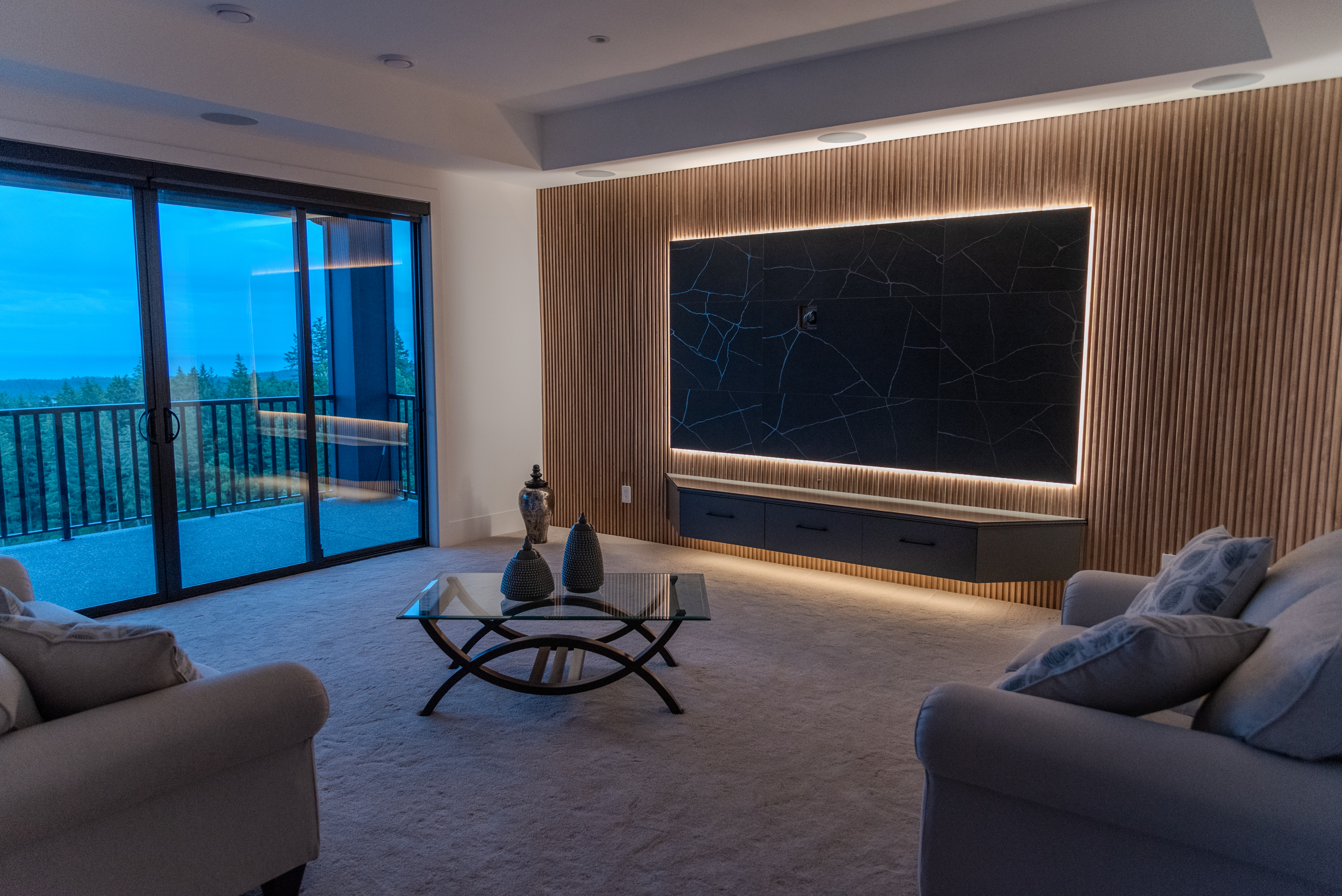
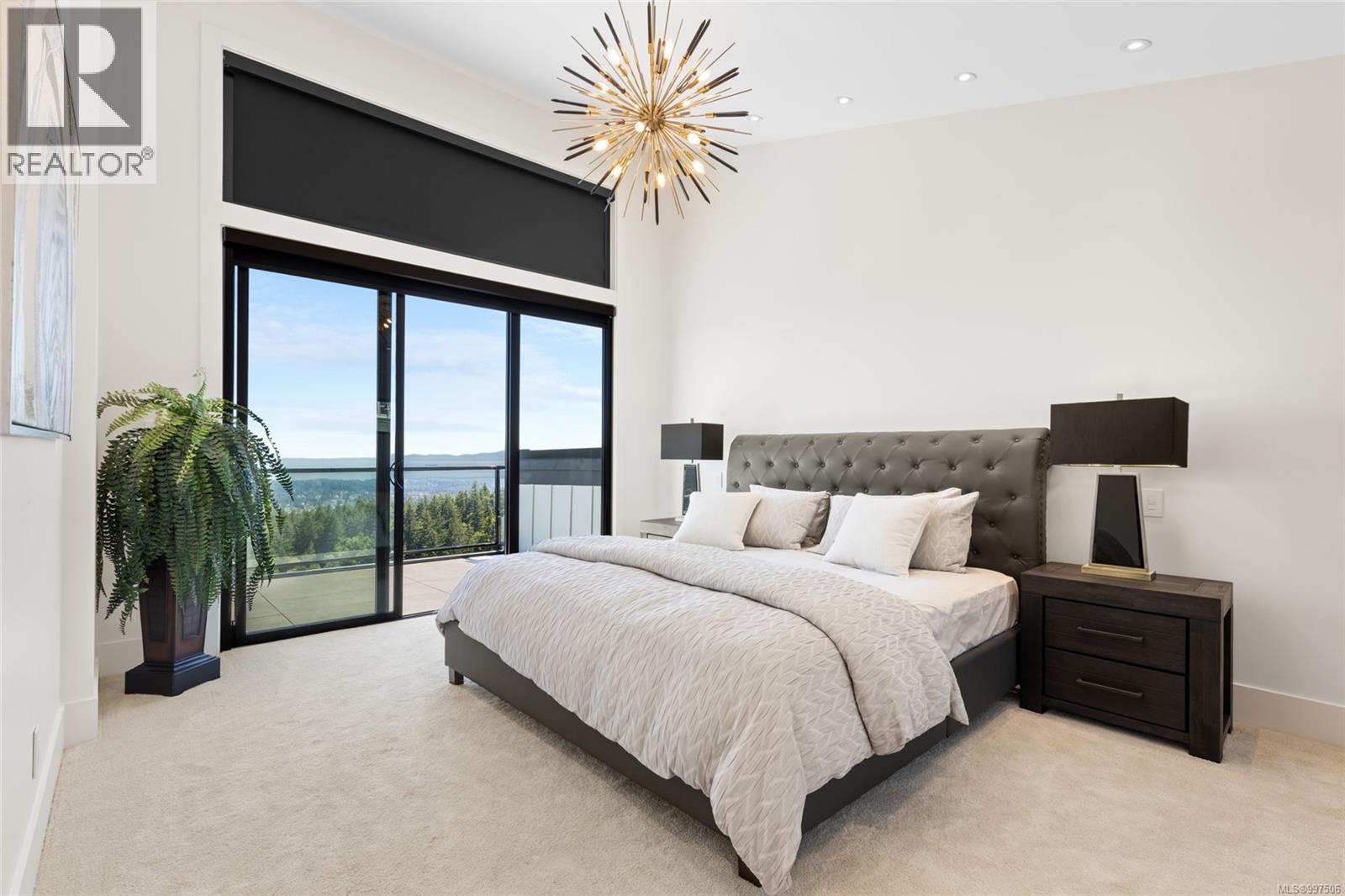
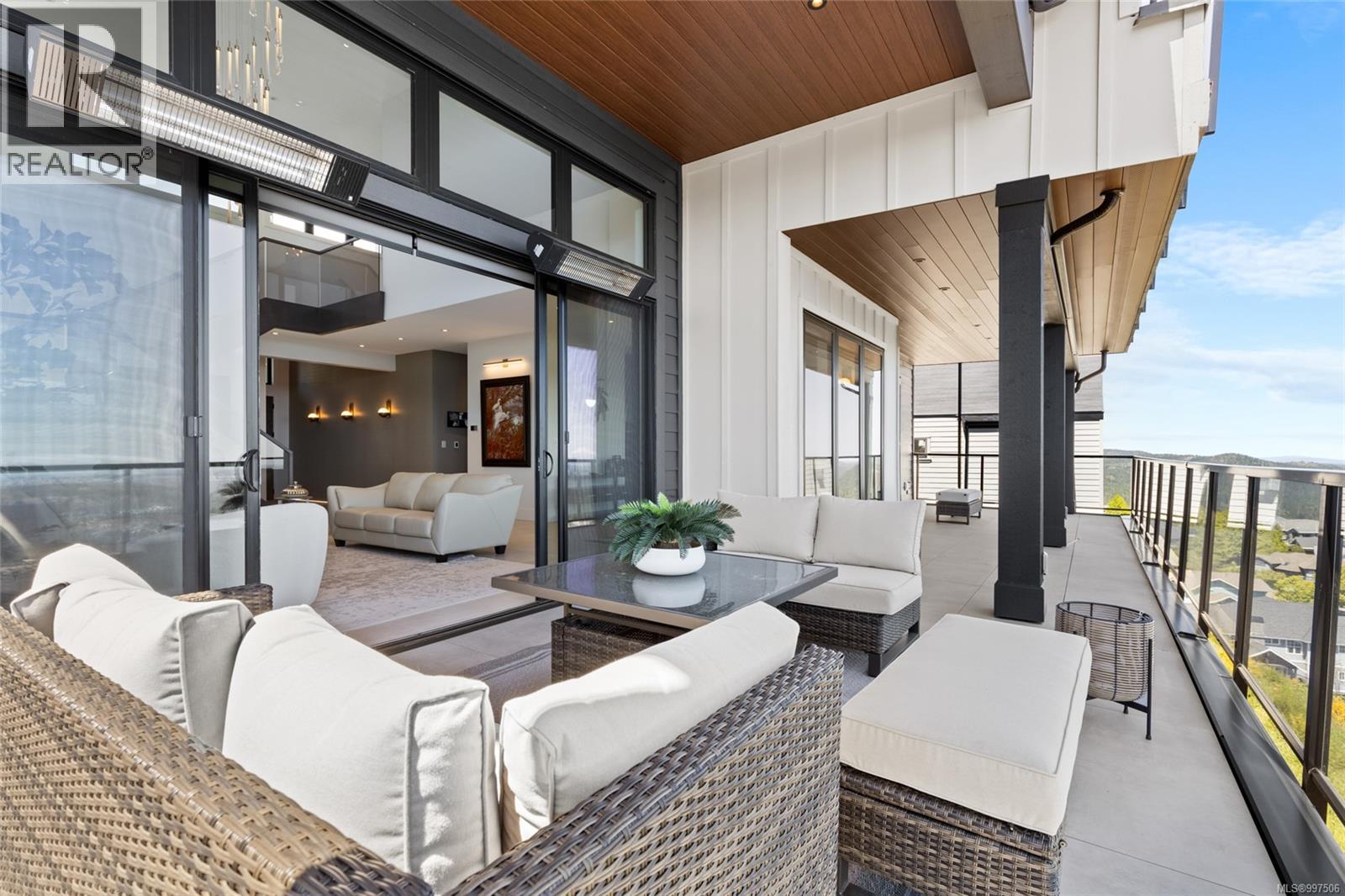
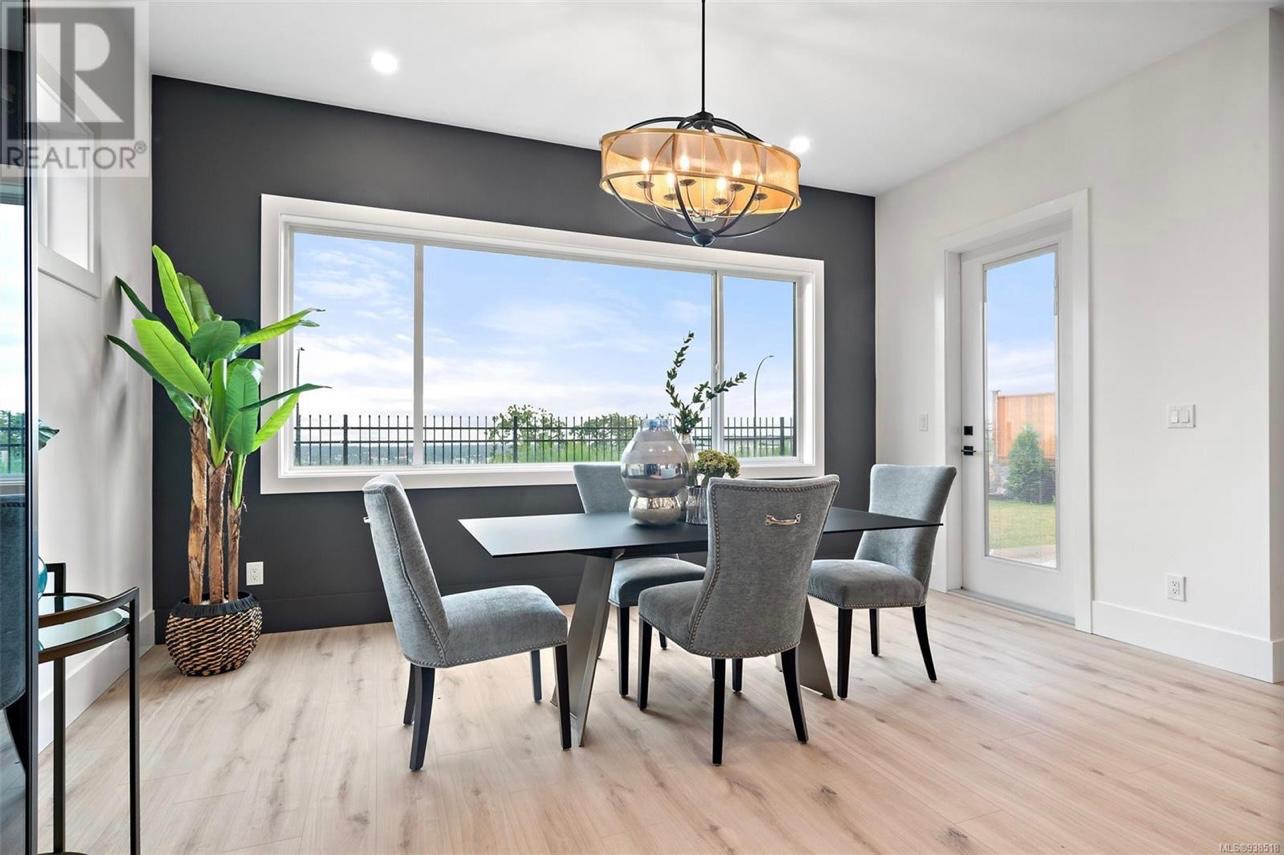
Every photograph below is a MOVA build. No stock imagery, no borrowed rooms — the palette and the principles, executed.
Design in Practice
From the Insights
Design
Design is the cheapest competitive advantage in real estate. How difference, material selection, and aesthetics become an economic argument.
Design · Material
Material choices are amortised over decades and hundreds of tenancies. Why MOVA chooses white oak — and why the math supports it.
Construction · Quality
Quality is not inspected at the end — it is planned at the beginning. Sequencing, inspection holds, and a defended material standard.
Every material decision, every layout choice, every amenity is made with a long-term owner's perspective — because that is what we are. Well-designed buildings rent faster, retain residents longer, and hold their value through cycles that ordinary construction does not survive.