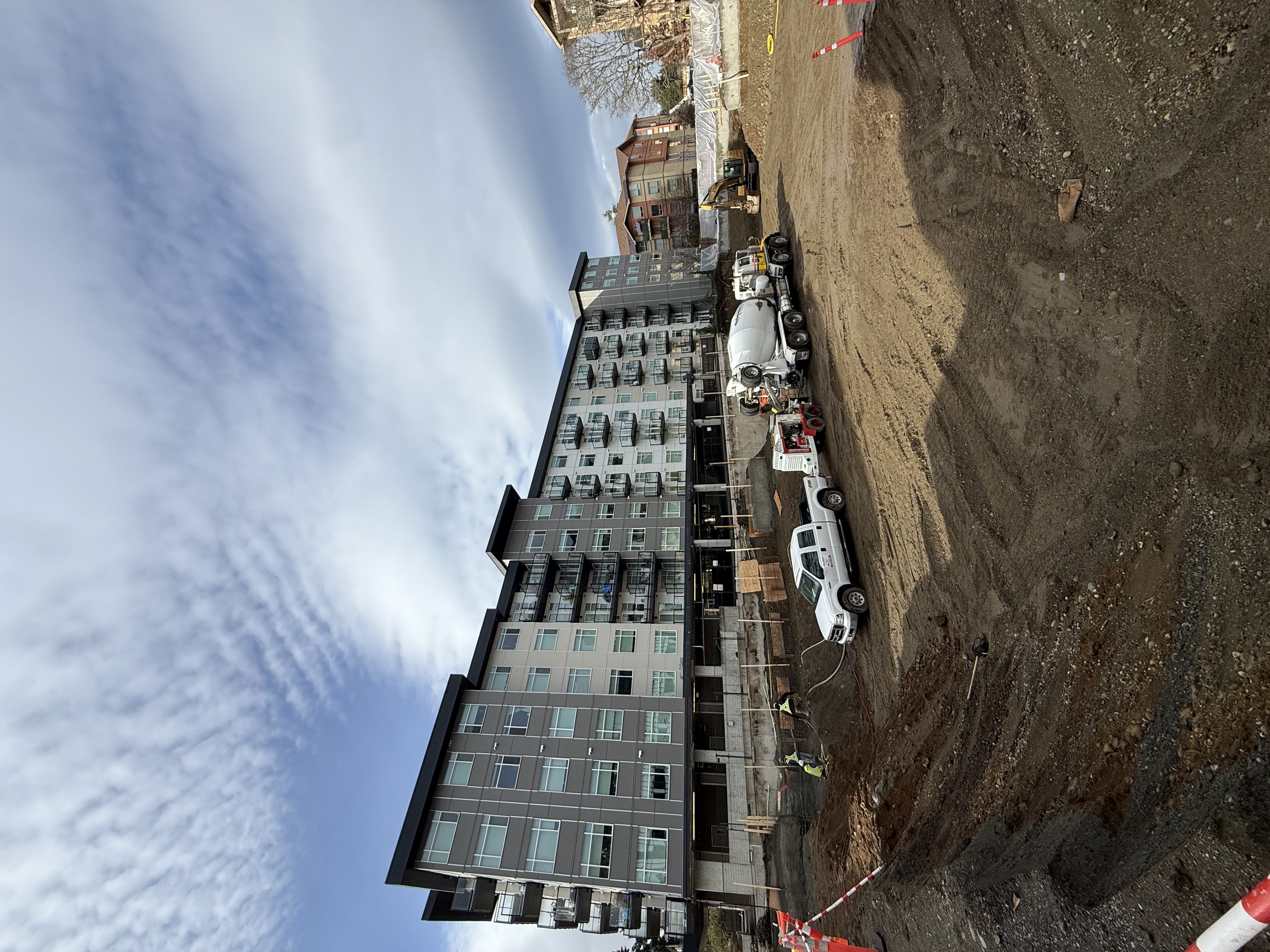
Every rendering is optimistic. Every proforma is confident. What neither shows is the weight the developer carries between breaking ground and the day the building is full — the years when the capital is committed, the outcome is uncertain, and the responsibility for both belongs to one person. Development is a business that pays for the successful management of risk, and it is honest to say so out loud.
MOVA does not hide this from investors; we frame the whole business around it. A developer's job is not to avoid risk — that is impossible — but to identify it, price it, structure against it, and carry it responsibly. Understanding the real risks is the first requirement of respecting the people whose capital rides on them.
The risks are real and they are several
Development risk is not one thing. It is a stack of distinct exposures, each capable of damaging a project on its own:
- Entitlement risk. Before construction, a project must clear rezoning, development permits, and approvals — a process controlled by municipalities and subject to politics, timelines, and conditions no developer fully controls. Land can sit, carrying interest, for years.
- Construction risk. Cost overruns, schedule delays, labour shortages, and the discovery of what is actually in the ground once you dig. A budget is a forecast, and forecasts meet reality on site.
- Financing risk. Interest rates move, lending conditions tighten, and a project underwritten in one environment may need to be refinanced in another. The gap between construction financing and long-term debt is where many projects are most exposed.
- Market risk. The building leases into whatever demand exists at completion, not the demand that existed at underwriting two or three years earlier.
- Liquidity risk. Capital is locked in for years. It cannot be recalled mid-project, and the developer must have the reserves to survive the surprises.
The developer's job is not to avoid risk. It is to see it clearly, price it honestly, and carry it responsibly.
The stress is the job, not a side effect
There is a personal dimension to this that spreadsheets do not capture. For the years a project is in motion, the developer holds a level of responsibility — for the capital, for the schedule, for the people building it, for the residents who will live in it — that does not switch off. Decisions are made with incomplete information and real consequences. The weight is constant, and it is precisely what the return is compensating.
Being honest about this is not weakness; it is the mark of someone who understands the business. The developer who tells you a project is risk-free is either inexperienced or not being straight. The one worth backing is the one who can name every risk, show you how it is being managed, and demonstrate they have the reserves and the temperament to carry it when something goes wrong — because on a long enough project, something will.
How disciplined developers manage the weight
Risk cannot be eliminated, but it can be structured. The tools are unglamorous and they are the difference between a developer who survives a cycle and one who does not:
- Conservative underwriting. Underwrite to a case you can survive — lower rents, higher costs, longer timelines — not to a best case that requires everything to go right.
- Contingency and reserves. Budget for the surprises you cannot yet name, and hold liquidity to absorb them without panic.
- Favourable financing structure. Programs like CMHC MLI Select, with long amortisations and insured terms, reduce refinancing and rate exposure across the hold.
- Fixed-price contracts and accountable execution. Transfer and control construction risk where possible, and stay in the room to catch problems early.
- Market selection. Build in supply-constrained markets with durable demand, so the demand risk at completion is structurally lower.
Why the risk is worth carrying
None of this is an argument against development. It is an argument for doing it with clear eyes. The reason development can build extraordinary wealth is precisely that it is hard, uncertain, and stressful — those barriers are what keep the returns available to the people willing to carry the weight competently. Risk that is understood, priced, and managed is not a reason to avoid the business. It is the business. The return is the compensation for carrying it well.