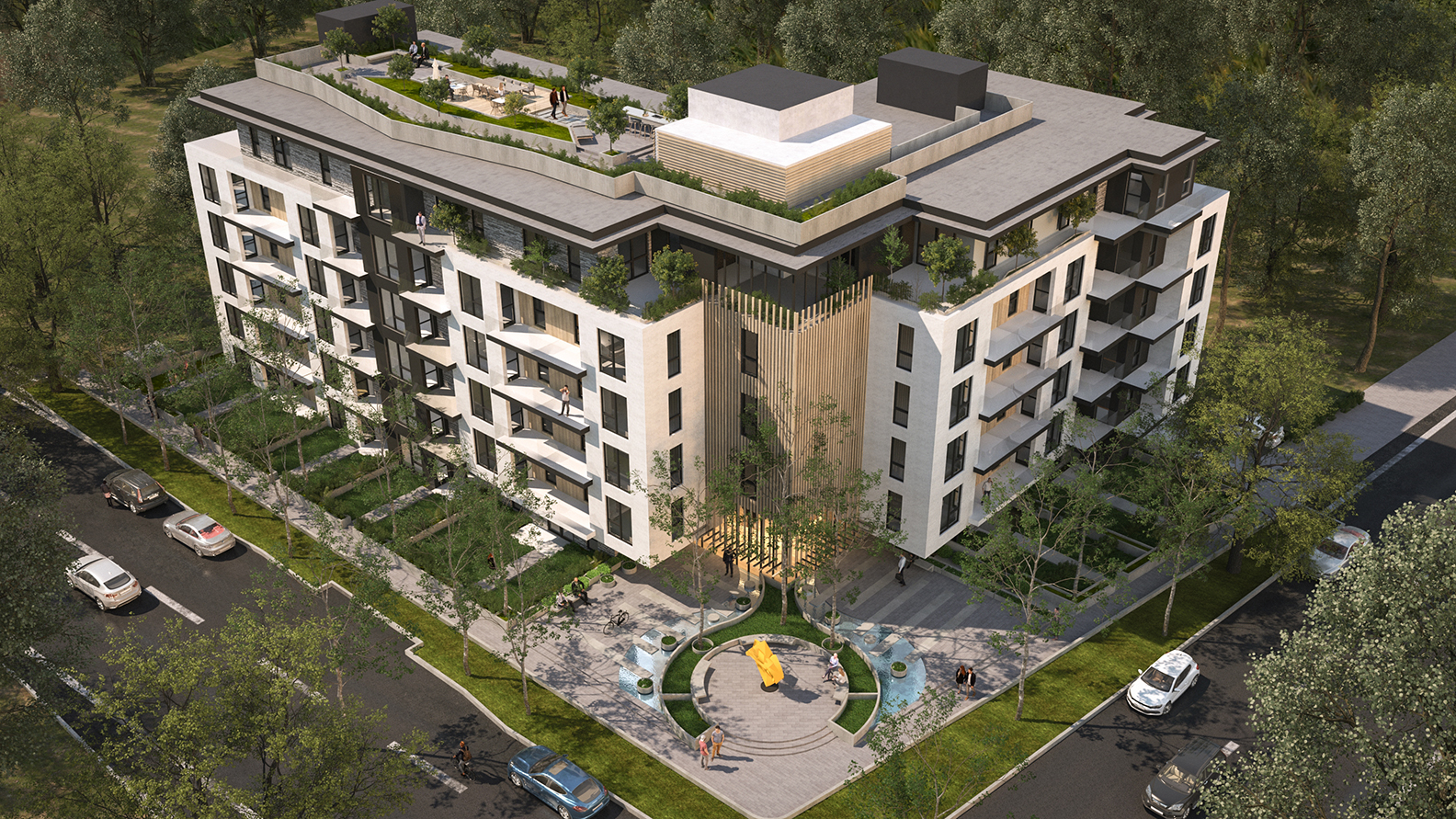
Development is the process of turning a piece of land into a finished, income-producing building — and it is far longer, more uncertain, and more layered than most people realise. Between "I found a site" and "residents moved in" sit years of assembly, approvals, design, financing, and construction, each with its own risks, costs, and opportunities to create value. This is the map of that journey, end to end.
It begins with land
Every project starts with control of a site, and getting there is its own discipline. Sometimes it is a single parcel; often, for a project of any scale, it is a land assembly — combining several adjacent lots into one developable site. Assembly is delicate work: it can take years, any single holdout can block the whole plan, and the value created by assembling often exceeds the sum of the individual parcels, because a larger, consolidated site can support a larger, more valuable building.
Acquiring land is also where the first major capital and risk enter. Land is typically the least-financeable part of a project, often requiring significant equity, and it carries — interest, taxes, and time — while the entitlement process plays out. Buy the wrong site, or pay too much, and no amount of good execution downstream will fix it. The deal is substantially made or lost at acquisition.
Entitlement: earning the right to build
Owning land does not mean you can build what you want on it. The right to build is granted through the municipal approval process, and this is where much of the developer's value and risk concentrate:
- Rezoning. If the land's current zoning does not permit the intended building, it must be rezoned — a public process involving the municipality, staff, council, and often the community. Rezoning can add density and therefore enormous value, but it is slow, uncertain, and politically exposed.
- Development permit (DP). Approval of the project's design, form, and character — how the building looks, sits on the site, and relates to its surroundings.
- Building permit (BP). Approval of the detailed technical drawings against building code — the permit that actually allows construction to begin.
Each stage takes time, costs money, and can attach conditions that reshape the project. The entitlement phase is where a developer can create value out of thin air — securing density and approvals a raw site did not have — and also where a project can stall for years, bleeding carrying costs.
You do not buy the right to build. You earn it, permit by permit, and the earning is where much of the value is made.
Design and pre-development
Running through and beyond entitlement is the design process — architects, engineers, and consultants translating a concept into buildable drawings. This is where the building's economics are largely locked in: its unit mix, its efficiency, its material standard, its cost. Design decisions made here determine both what the building will cost to build and what it will earn once complete, which is why treating design as central rather than cosmetic matters so much to the final return.
Financing the build
With approvals and drawings in hand, the project is financed for construction. Development capital is layered: equity from the developer and investors sits at the base, and construction debt — often insured through a program like CMHC MLI Select for purpose-built rental — sits on top. The financing structure determines how much equity is required, how the returns are shared, and how exposed the project is to interest rates and refinancing. Getting the capital stack right is as consequential as any design decision.
Construction and delivery
Then the building gets built — the longest and most capital-intensive phase, where the budget and schedule meet reality on site. Construction is its own deep discipline of sequencing, oversight, and quality control, carrying its own risks of overrun and delay. Throughout, the developer manages the draw process, the schedule, and the quality, protecting the capital that is now fully committed to a hole in the ground that will, over months, become a building.
Where value is created, and what constrains it
Value in development is manufactured at every stage: assembling land, securing density through rezoning, designing an efficient and desirable building, financing it well, and building it at a controlled cost. Each is a lever. Against those levers sit the constraints — municipal timelines, market conditions, construction costs, financing availability, and the sheer duration over which capital is locked and carrying. The developer's craft is pulling the value levers while managing the constraints, across a process that can run for years.
Why it is worth it
Development is harder than buying a finished building, and that difficulty is exactly the point. The complexity, the risk, and the time are the barriers that keep the development margin available to those willing and able to do the work. Done well, development creates a brand-new, purpose-built asset worth substantially more than it cost — value that a disciplined developer can then hold, refinance, and compound for decades. The journey from raw land to residents is long. For those who can navigate it, it is also one of the most powerful wealth-creation processes in real estate.