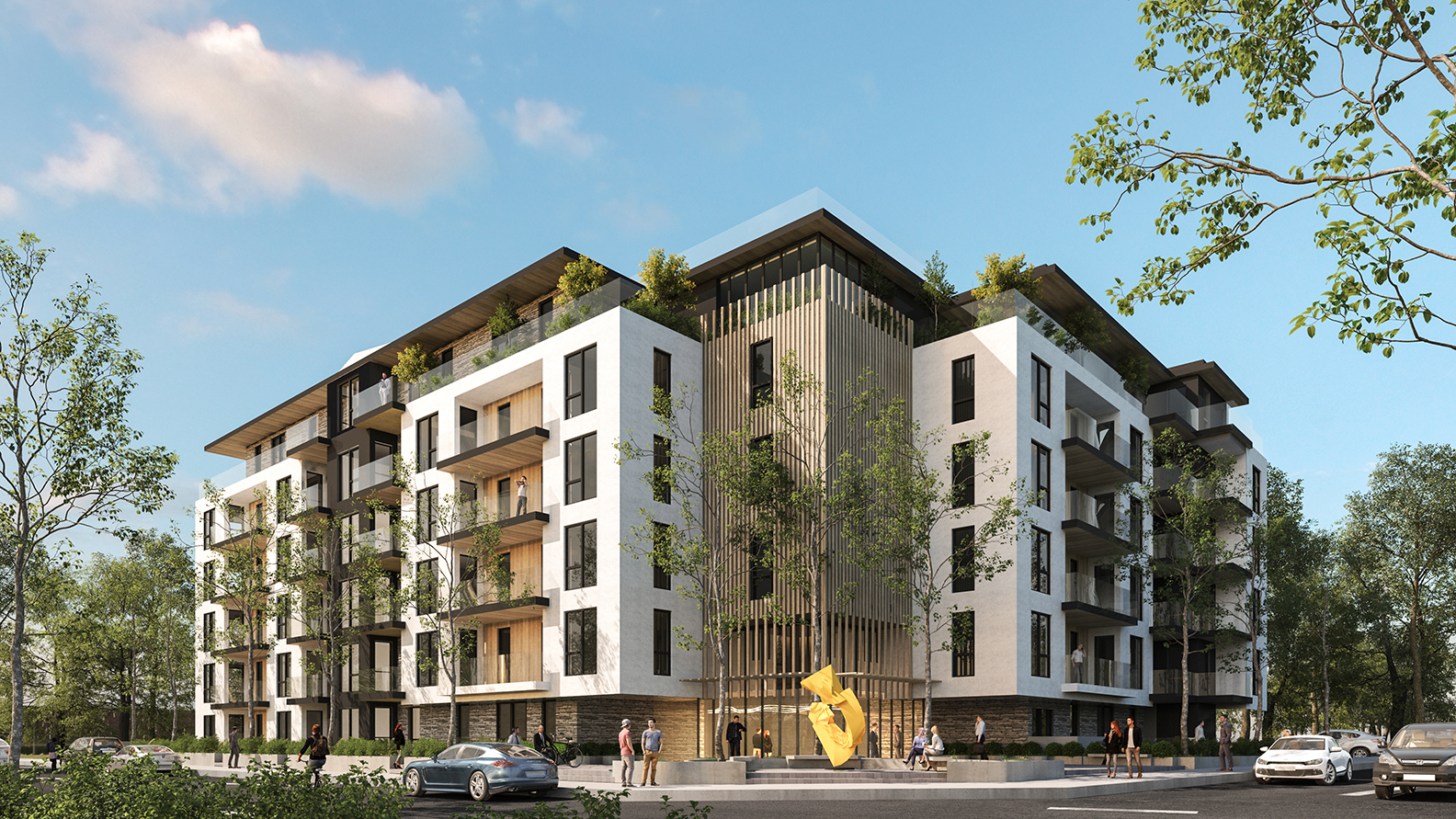
A proforma is a story told in numbers about a building that does not yet exist. Underwriting is the discipline of deciding whether to believe it. Every multifamily investment lives or dies on this document, and yet most people never learn to read one properly — to see which numbers are load-bearing, which are assumptions dressed as facts, and which levers actually decide whether a deal is good.
This is a plain-language walk through how a multifamily deal is underwritten: the core metrics, the levers that move them, and how a disciplined investor separates a real opportunity from an optimistic spreadsheet.
It starts and ends with NOI
Net operating income — NOI — is the engine of the entire proforma. It is the income the building produces after operating expenses but before debt service: gross rent, minus vacancy, minus the costs of running the building (taxes, insurance, utilities, management, maintenance, reserves). NOI matters more than any other single number for one reason: the value of the building is a direct multiple of it.
That multiple is expressed as the capitalisation rate, or cap rate. Value equals NOI divided by the cap rate. At a 5% cap rate, every additional $50,000 of NOI adds $1,000,000 of value. This single relationship is why operators obsess over NOI: you are not just earning income, you are manufacturing value with every dollar of it.
You do not just earn NOI. At a 5% cap rate, every dollar of it creates twenty dollars of building value.
DSCR: the number the lender underwrites to
The debt-service coverage ratio — DSCR — is NOI divided by the annual debt payment. It answers the lender's central question: does the building produce enough income to safely cover its mortgage? A DSCR of 1.0 means income exactly equals the payment, with no cushion. Lenders require a margin above that; a program like CMHC MLI Select allows a lower coverage floor than conventional lending, which is one of its key advantages.
DSCR is where the financing and the operations meet. If coverage is too thin, the loan shrinks or the deal does not qualify. Every lever that raises NOI or lowers the debt payment improves coverage — which is why underwriting is never about a single number in isolation.
The levers, and how they interact
A proforma is a system of connected levers. Move one and others respond. The skill of underwriting is understanding those interactions rather than optimising any single input:
- Rent. The top line. Small changes compound across every unit and every year, but rents must be defensible against the actual market — overstated rent is the most common way a proforma lies.
- Vacancy. The allowance for empty units and turnover. Underwrite it too low and the whole income line is fiction.
- Operating expenses. Taxes, insurance, utilities, management, maintenance, reserves. Understating them inflates NOI on paper and disappoints in operation.
- The budget: hard, soft, financing, and municipal costs. Hard costs are the physical construction; soft costs are design, consultants, and fees; financing costs are the interest carried during construction; municipal costs are permits, development charges, and levies. Total project cost drives both the equity required and the value that must be achieved to profit.
- Interest rate and amortisation. The rate sets the cost of debt; the amortisation period sets how that cost is spread. A longer amortisation lowers the annual payment and lifts coverage and cash flow.
- The cap rate. The multiple applied to NOI to derive value. It is set by the market, not the developer, and a conservative underwriting uses a cautious one.
Making the proforma work — honestly
There is a right way and a wrong way to make a proforma "work." The wrong way is to reach the answer you want by nudging assumptions past what reality will deliver: rents a little higher, vacancy a little lower, costs a little leaner, cap rate a little tighter. Each tweak is small and defensible on its own; together they produce a building that only performs on the spreadsheet. This is how deals lose money while looking good on paper.
The right way is to find the honest levers — the ones grounded in real decisions. Better design that supports a genuine rent premium. A construction approach that actually lowers hard cost. Financing like MLI Select that legitimately extends amortisation and lowers the payment. Operational discipline that truly holds down expenses. When a proforma works because of real advantages rather than optimistic inputs, it works in operation too.
How to judge if it is a good investment
A disciplined investor reads a proforma with three questions. First: are the assumptions conservative or hopeful — would this deal still work if rents came in lower, costs higher, and the timeline longer? Second: where does the return actually come from — real value creation, or an assumed market movement the developer does not control? Third: does the coverage leave a margin for error, or does everything have to go right? A good investment survives the stress test, earns its return through things the operator can influence, and holds a cushion against the surprises that every project eventually delivers. The proforma is the story. Underwriting is refusing to believe the parts that cannot survive contact with reality.