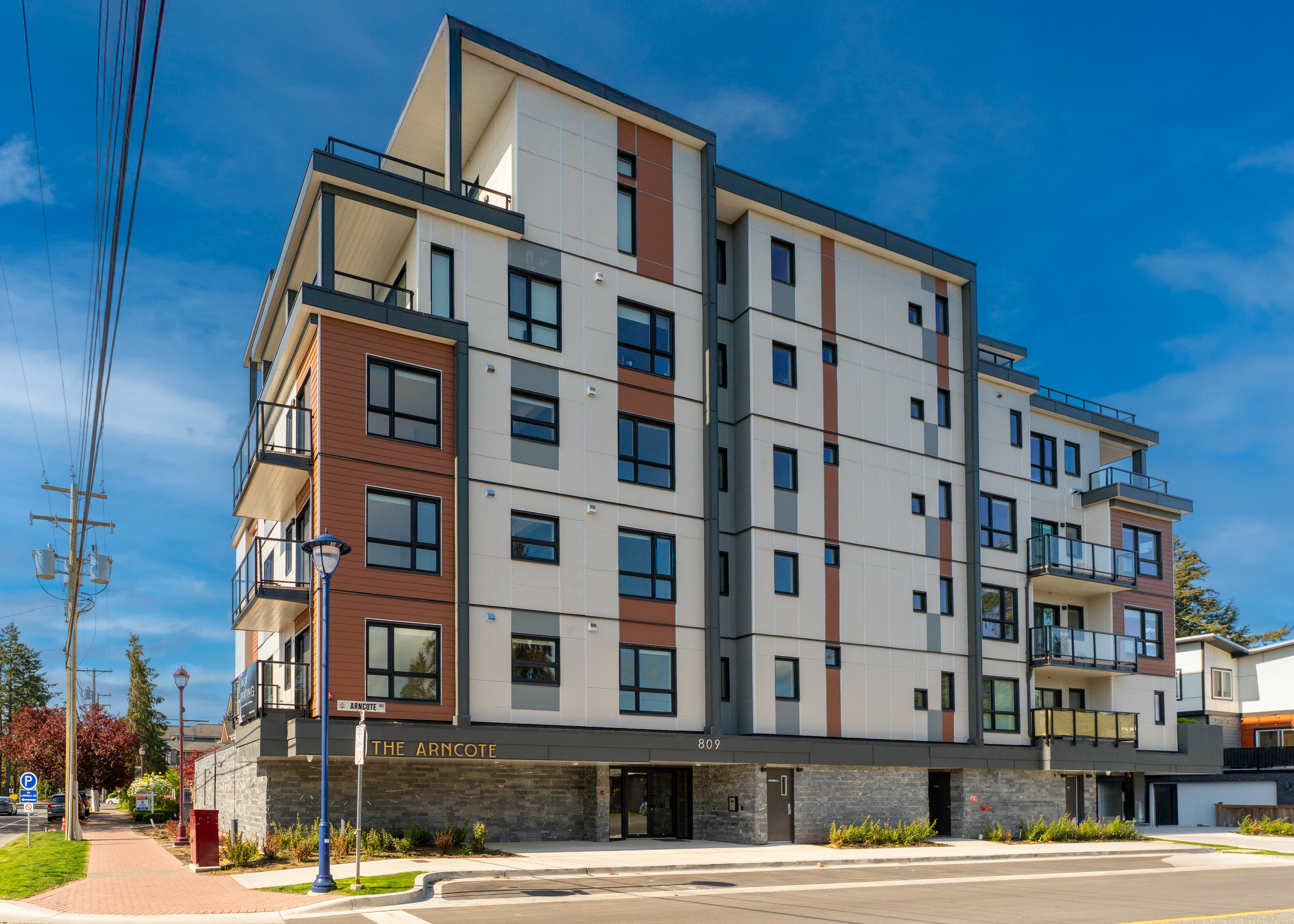
Multifamily real estate does not make you rich quickly. It makes you wealthy slowly, and then permanently. That distinction is the entire philosophy. The wealth is not in a single transaction; it is in the compounding of many small advantages — amortisation, rent growth, tax deferral, and inflation — across years that most people are not patient enough to wait through.
MOVA was built around this belief. We design, build, and hold multifamily communities not because it is the fastest way to earn, but because it is one of the most durable ways to build generational wealth. The mindset required is unusual in a world trained to want returns this quarter. It is worth explaining plainly.
The four engines that compound quietly
A well-financed, well-run apartment building builds wealth on four engines at once, and none of them makes headlines:
- Amortisation. Every month, the residents' rent pays down the mortgage. The loan balance shrinks whether or not the market moves. Over a long hold, a building can be substantially paid off by its own tenants — equity created out of patience.
- Rent growth. In supply-constrained markets, rents rise with inflation and demand. Because a mortgage payment is largely fixed, every dollar of rent growth flows disproportionately to the owner's cash flow.
- Appreciation. As net operating income grows, so does the value of the asset — because a building is worth a multiple of the income it produces. Improve the income and you have manufactured value, independent of the market.
- Tax efficiency. Depreciation, deferral, and the ability to refinance rather than sell mean that gains can compound without being interrupted by a taxable event.
Wealth is not built in the year you buy. It is built in the years you refuse to sell.
Why slow is the feature, not the bug
The impatience that drives most investors out of real estate is exactly what leaves the wealth on the table for those who stay. A building held for three years captures the development margin and little else. The same building held for twenty captures two decades of amortisation, rent growth, and appreciation — the part the short-term seller hands to the next owner.
The compounding is unspectacular year to year and overwhelming across a career. This is why the discipline is psychological before it is financial. The hard part is not finding the deal. The hard part is holding it through the cycles, the vacancies, and the years when nothing dramatic happens, trusting that the engines are still running underneath.
The pride that does not appear on a spreadsheet
There is a return here that no proforma captures. When you design a building, shape its rooms, choose its materials, and then watch families make homes inside it, you have created something that outlasts the transaction. A stock certificate does not house anyone. A building does. It stands on a street, in a community, with your decisions written into its walls.
For the people who build this way, that pride is not sentimental — it is motivating. It is the reason to specify the better window, to hold the building instead of flipping it, to treat residents as long-term relationships rather than line items. The wealth and the pride reinforce each other: the building you are proud of is the building that retains residents, holds value, and compounds.
Generational, by design
The final feature of multifamily wealth is that it is transferable across generations in a way few other assets are. A well-located, well-built, well-financed building can be held, refinanced, and passed on — continuing to produce income and appreciation for children who never had to assemble the land or manage the construction. The founder does the hard, uncertain work once. The asset does the compounding for decades.
This is the mindset MOVA invests behind, and the mindset we look for in partners. Not the search for a quick multiple, but the patience to own something real, build it well, and let time do the work that time does. Slow, steady, and — for those who can wait — extraordinary.